Navigating New York: the challenges and pleasures of water transportation
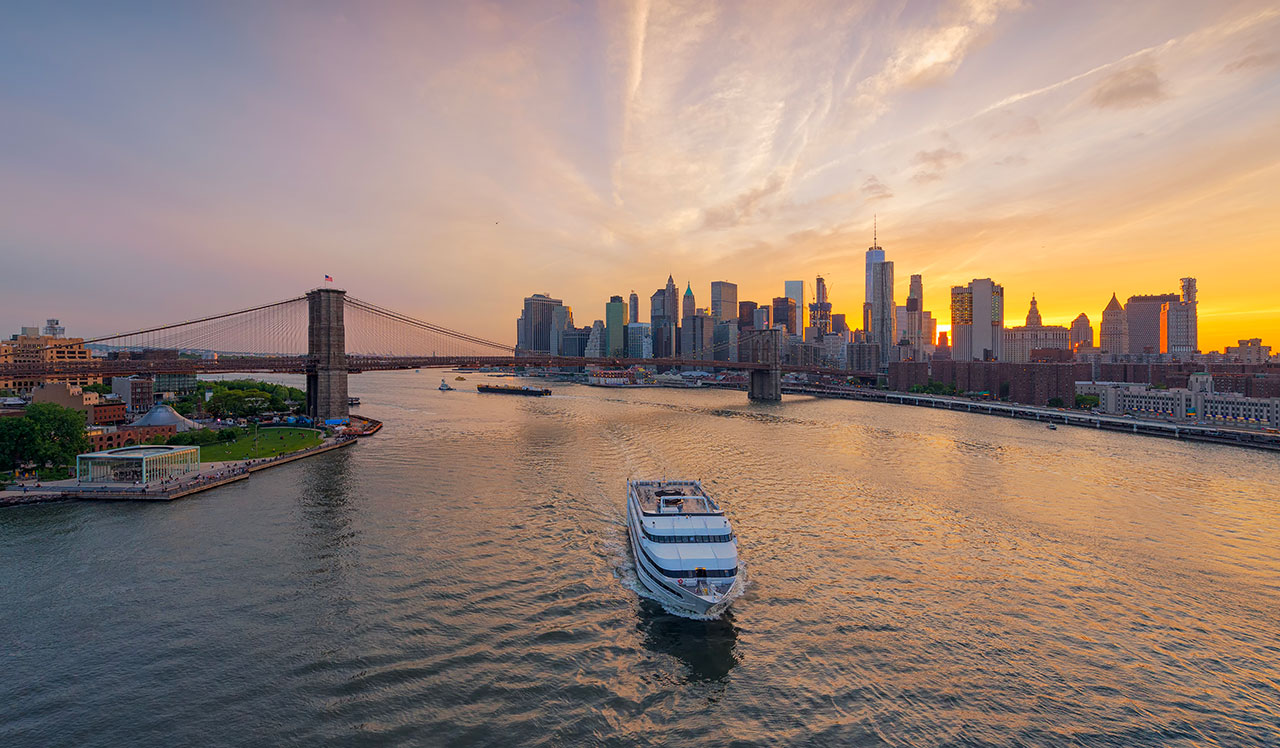
New York, a vibrant and dynamic city, is surrounded by water. The city is bordered by the Hudson River to the west, the East River to the east, and New York Bay to the south. This unique geographical location has made water transportation an essential element of urban life since the early days of the colony. Today, water transportation continues to play a crucial role in the city’s transportation network, offering not only practical means of travel but also unforgettable tourist experiences. This article explores the different water transportation options in New York, the tourist appeal of cruises and boat tours, as well as the potential and future expansion projects.
From ferries to water taxis: discovering the different water transportation options
Ferries
Ferries have long been a vital means of transportation in New York. The famous Staten Island Ferry, for example, transports thousands of passengers daily between Staten Island and Manhattan. This free service is not only a crucial mode of transport for residents but also a popular tourist attraction offering stunning views of the Statue of Liberty and the Manhattan skyline.
The NYC Ferry, launched in 2017, is another popular option that connects various neighborhoods in the city. With several lines covering the Bronx, Brooklyn, Manhattan, and Queens, the NYC Ferry offers a practical and scenic alternative to often crowded subways and buses. NYC Ferry boats are modern, accessible, and equipped with amenities such as bike spaces and Wi-Fi connections, making them attractive to both daily commuters and visitors.
However, despite their numerous advantages, ferries in New York face several challenges. High operating costs and dependence on public subsidies are major concerns. Additionally, ferries often have to contend with adverse weather conditions, which can lead to cancellations or delays. Despite these challenges, ferries remain an essential pillar of New York’s transportation system.
Water taxis
Water taxis, such as the services offered by New York Water Taxi, provide another option for getting around on the water. These small, fast boats serve several key destinations along the Hudson and East Rivers, as well as the Statue of Liberty and Ellis Island. Water taxis are particularly appreciated by tourists for their flexibility and the spectacular views they offer of the city.
Unlike ferries, water taxis are generally more expensive, but they offer increased convenience, including more frequent schedules and the ability to hop on and off at various points along their route. For residents and workers looking to avoid traffic jams and subway crowds, water taxis represent an attractive alternative.
Other water transportation options
In addition to ferries and water taxis, New York also offers other water transportation options. Private yachts and charters, for example, allow residents and visitors to rent boats for special occasions or private excursions. These services offer a more luxurious and personalized experience but are often out of reach for most people due to their high cost.
Emergency water transportation services, though less well-known, also play a crucial role, especially in case of crisis or need for rapid evacuation. These specialized services are essential to ensure the safety and resilience of the city in the face of natural disasters or emergencies.
A tourist attraction: the appeal of cruises and boat tours for visitors
Tourist cruises
Tourist cruises are one of the most popular activities for visitors to New York. Companies such as Circle Line and Hornblower offer cruises around Manhattan, allowing tourists to see the city’s iconic landmarks from the water. These cruises offer spectacular views of the Statue of Liberty, Ellis Island, the Brooklyn Bridge, and the Manhattan skyline, among other attractions.
Themed cruises, such as sunset cruises or dinner cruises, add an extra dimension to the experience. Visitors can enjoy a meal or cocktails while admiring the stunning scenery. These themed cruises are especially popular for special occasions like birthdays, weddings, or corporate events.
The economic impact of tourist cruises is significant. They attract millions of visitors each year, generating substantial revenue for the city and supporting numerous jobs in the tourism and hospitality sectors.
Specific boat tours
In addition to general cruises, New York also offers more specific and specialized boat tours. Ecological and educational tours, for example, are increasingly popular. Organizations such as NYC Audubon offer boat excursions to observe birds and local wildlife, raising participants’ awareness of the importance of environmental conservation.
Wildlife-watching boat excursions, such as whale watching, are also highly popular. These excursions allow visitors to see majestic marine species in their natural habitat, offering a unique and unforgettable experience.
Unique experiences offered by cruise companies also include dinner cruises and sunset cruises. These tours provide a romantic and relaxing way to discover the city, with breathtaking views of illuminated monuments at night.
Special events on the water
New York is also the scene of numerous special events on the water. Nautical festivals and regattas attract crowds of spectators and participants each year. For example, the illuminated boat parade is an annual event where dozens of boats decorated with Christmas lights parade through New York Harbor, creating a magical spectacle for spectators.
Other seasonal events, such as the July 4th fireworks, also attract thousands of people to the water to witness the spectacle from a boat. These special events enhance the tourist appeal of water transportation and contribute to the city’s dynamic cultural life.
The future of water transportation: potential and expansion projects in the urban context
Current and future projects
The future of water transportation in New York looks promising, with several expansion projects underway. The city has invested in expanding ferry lines, adding new routes, and increasing the frequency of existing services. These efforts aim to improve access and make water transportation more convenient for a greater number of residents and visitors.
Initiatives to improve port and dock infrastructure are also crucial. Investments in modern and accessible facilities are needed to accommodate a growing number of passengers and boats. This includes improvements to docks, terminals, and waiting areas, as well as the integration of modern technologies to enhance operational efficiency and safety.
Technological innovations also play a key role in the future of water transportation. The adoption of electric boats and other environmentally friendly propulsion technologies could reduce carbon emissions and make water transportation more sustainable. Pilot projects using renewable energy and advanced energy management systems are underway, and their results could transform how water transportation is operated in New York.
Challenges and solutions
Despite numerous opportunities, water transportation in New York faces several challenges. Environmental issues, including water pollution and greenhouse gas emissions, are major concerns. The city is working on solutions to make water transportation more sustainable, including the use of cleaner fuels and the implementation of environmental management measures.
Traffic management and safety are also significant challenges. With an increasing number of boats on the water, coordination and regulation of traffic become essential to prevent accidents and ensure the safety of all users. This includes the implementation of traffic management systems, training programs for boat operators, and awareness campaigns for passengers.
Coordination with other modes of transportation is also crucial to maximize the efficiency of water transportation. Integrating ferries and water taxis with public transportation systems, such as subways and buses, can facilitate the movements of residents and visitors, making water transportation an integral part of the city’s overall transportation network.
Long-term vision
In the long term, water transportation has the potential to play an even more important role in New York’s urban development. By reducing road congestion and carbon emissions, it can help make the city more sustainable and livable. Water transportation can also stimulate economic development by attracting investments and creating jobs in the tourism and maritime services sectors.
Collaboration with other major cities can also help New York share and adopt innovative solutions. By exchanging ideas and best practices, cities can develop common strategies to improve their water transportation systems and address environmental and logistical challenges.
Water transportation in New York offers a unique combination of challenges and pleasures. From ferries to water taxis, to tourist cruises and boat tours, these transportation options play a crucial role in the city’s daily life and economy. As New York continues to develop and innovate, water transportation is destined to become even more integrated and essential. Current and future initiatives, focused on expansion and sustainability, promise to make navigating New York even more accessible, convenient, and environmentally friendly. Ultimately, water transportation will remain a valuable asset for the residents and visitors of this dynamic metropolis.